MES Financials
A fintech system to manage the Assets and Pension
Project overview
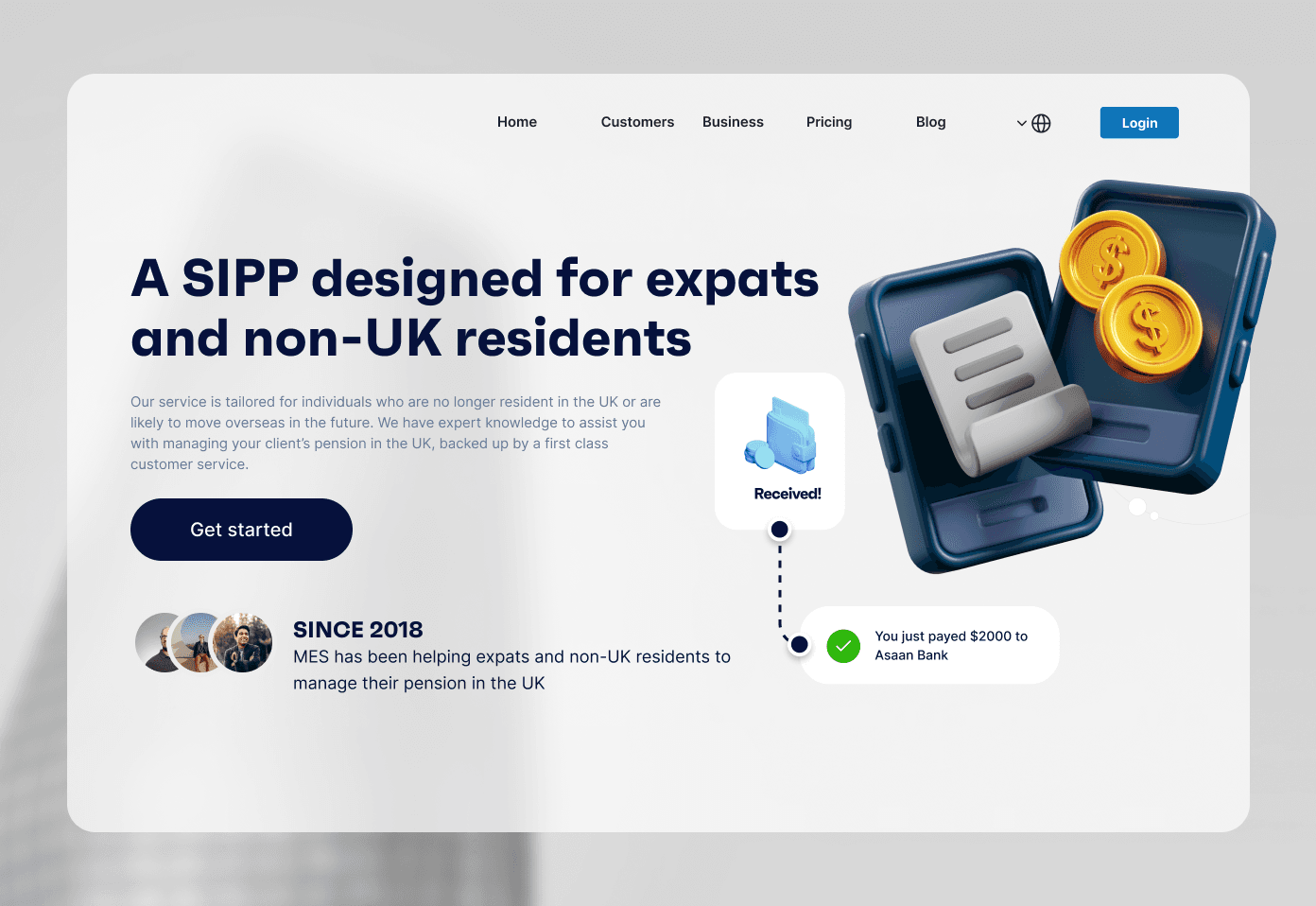
MES Financials is A fintech system to manage the Assets and Pension A financial investment system designed for expats and non-UK residents to multi-currency holdings and flexible investment options. Built with high standards for performance, security, and intuitive user experiences, the platform is engineered to support mission-critical workflows and seamless scale.
What was the problem or pain point
Client Dilemma & Technical Bottleneck
MES Financials delivers financial advisory and enterprise treasury services to multinational corporations operating across diverse currency jurisdictions and banking systems. Corporate finance teams were paralyzed by manual daily cash positioning across dozens of overseas bank accounts, error-prone foreign exchange (FX) risk modeling in spreadsheets, and lack of real-time visibility into liquidity balances, exposing corporations to unexpected currency fluctuations and suboptimal working capital deployment.
What we suggested to the client
Solid Sphere Architectural Recommendation
Solid Sphere proposed developing an enterprise-grade Corporate Treasury Management System (TMS). We recommended building an automated multi-bank data aggregation platform that pulls real-time account balances and statements via Open Banking and SWIFT MT940/CAMT.053 messaging, paired with an algorithmic FX hedging scenario simulator, and an executive liquidity optimization dashboard.
What made this project challenging
Managing complex pension scheme liabilities, actuarial calculations, and asset valuations
Handling multi-currency accounting ledgers across international subsidiary entities
Generating automated statutory regulatory reports for financial conduct authorities
Providing trustees with transparent, real-time funding level dashboards and scenario stress tests
What was implemented and how it was implemented
Step-by-Step Technical Execution
We engineered the treasury platform using React with TypeScript on the frontend and Python with Django on the backend. We built automated banking integration connectors supporting Open Banking APIs, SWIFT financial messaging protocols, and direct corporate host-to-host banking pipes. The system ingests and reconciles multi-currency transactions across global operating entities in real time, automatically categorizing cash flows and providing centralized cash visibility in base corporate currency. We implemented a financial risk analytics engine that models portfolio FX exposure and computes Value at Risk (VaR), suggesting automated forward contract and hedge ratio recommendations to protect corporate margins against currency volatility. The interface provides interactive global liquidity heatmaps, automated cash sweep modeling, and multi-signature authorization workflows for international wire transfers.
How we delivered
Built double-entry multi-currency financial ledger with strict immutable transaction logging
Engineered actuarial calculation engine running Monte Carlo asset-liability modeling simulations
Developed interactive trustee reporting portal with funding status and inflation sensitivity charts
Implemented automated bank statement reconciliation and audit trail export tools
What did we use to implement it
Technology Stack & Technical Rationale
React with TypeScript delivered an institutional-grade financial command interface with high-density data tables, interactive FX risk charts, and multi-step approval workflows. Python and Django powered the core treasury calculations, financial ledger balancing, and banking API integrations. PostgreSQL maintained high-concurrency transactional persistence and immutable financial audit logs. Open Banking and SWIFT API protocols enabled automated global bank statement ingestion. Docker provided containerized staging and production deployments.
Key outcomes
Over £1.5B in institutional pension assets managed on platform
Reduced monthly ledger closing time by 60%
100% statutory regulatory compliance pass rate
Zero ledger discrepancies across multi-currency operations
Have a project like this?
Share your goals and constraints. We'll respond with next steps and a practical proposal.